


Members Log In
Please login with your updated password.
Resources

Uber Eats’ Top Delivery Trends for 2023
/wps/portal/eCPS/root/public/Resources/Resources/!ut/p/z0/04_Sj9CPykssy0xPLMnMz0vMAfIjo8zizR0dXT0cDQx93f0cXQ0CjV3C3F08wwwM3Mz0C7IdFQFCINbA/Posted Date: Jan 05, 2024
Effective Date: Jan 5, 2024
Uber Eats has released its fifth annual Uber Eats Cravings Report, featuring the top delivery trends for 2023. What were this year’s most popular items? Which ones are on their way out? QUASEP will break it down.
In 2023, people aren’t settling for simple fast food. From coast to coast, the most popular delivery dishes include a wide range of cuisines, with American, Japanese, Indian, Chinese and Italian at the top of the list.
Canada’s big cities also tend to eat more nutritionally balanced dishes. Uber Eats users in Montreal, Ottawa, Kingston, Toronto and Vancouver were the most likely to go for lower-calorie options. Even when grabbing a quick bite or skipping out on cooking, city dwellers are clearly committed to healthy eating.
In the US, as people head back to the office after the pandemic, many customers are asking for no onions to keep their breath fresh. Rosé wine is also on the decline, with users opting instead for light reds and whites, even during the summer months.
More than just restaurants
While many customers are ordering from a wide range of restaurants, more and more are using Uber Eats to shop from grocery or convenience stores. The platform isn’t just for hot, ready-to-eat meals—it also delivers everyday household items. In the US, the most popular items in this category were toilet paper, emergency contraceptive pills and COVID-19 tests.
Delivery trends are also showing a shift away from conventional mealtimes. Customers are satisfying their cravings with popular convenience-store snacks such as hot dogs, taquitos, slurpees, chocolate milk, chips, ice cream, popcorn, pepperoni pizza, candy and brownies. In the US, there has been an increase in late-night orders between midnight and 4 a.m., mostly from students. Businesses can take advantage of the trend by offering food 24 hours a day via delivery or vending machines.
Canadians used the platform to stock up on booze, with beer, vodka and whisky at the top of this year’s list, followed by Pinot Grigio and margaritas. In provinces that allow it, selling alcohol via delivery—in addition to serving it to dine-in guests—can be very profitable.
The most popular grocery items ordered through Uber Eats were fruits and vegetables, along with eggs and bottled spring water. Delivery platforms are expanding beyond ready-to-eat meals to include more raw ingredients.
Highlight: Delivery services are not just for restaurants.

A Kitchen Design That Suits Your Customers and Staff
/wps/portal/eCPS/root/public/Resources/Resources/!ut/p/z0/04_Sj9CPykssy0xPLMnMz0vMAfIjo8zizR0dXT0cDQx93f0cXQ0CjV3C3F08wwwM3Mz0C7IdFQFCINbA/Posted Date: Jan 05, 2024
Effective Date: Jan 5, 2024
What’s the optimal kitchen design for your business? What should you focus on and what should you consider before taking action? QUASEP will help you invest in the right places, whether you’re redesigning your kitchen or starting from scratch.
First, you’ll need to choose the right equipment for your restaurant. Gas or electric power? Where will you put the ventilation? What are the dimensions of your future kitchen? These initial decisions are key, as it’s very difficult to make changes down the road, said Guillaume Lussan, Project Department Director at Doyon Després, in an interview.
If you’re buying out an old restaurant, you may not need to design your kitchen from scratch, since you’ll likely be using similar equipment. You’ll probably just need to change certain details, such as the dinnerware, and add a few specialized appliances based on the food you’re selling.
Since the pandemic, more and more farmers are opening their own kitchens to prepare dishes and sauces directly on the farm. Equipment originally designed for industrial use is now being adapted for the commercial sector. This has made it easier, not only for market gardeners but also for restaurants and grocery stores, to process products on site.
Versatility and durability
As prices per square foot continue to rise, it’s a good idea to optimize your space with versatile equipment. Wherever possible, opt for multifunctional appliances to increase your efficiency and keep costs down.
Open kitchens are a popular choice for restaurants that want to showcase their process. In other cases, you’ll find closed kitchens, tucked away from the dining area. A growing trend is the dessert refrigerator, where you can entice customers by displaying your products.
When it comes to equipment, some may be more affordable up front, but it’s important to consider quality. A more expensive item could bring you a return on your investment by helping you save significantly on maintenance.
Ask yourself how long you plan on using it. One year? Three years? Fifteen? Remember that solid used equipment is often more worth it than a brand-new cheap appliance. For instance, a more efficient fryer will cost much more up front, but will save you money by consuming less oil. It’s important to weigh the cost of your investment against the amount you could save in other areas.
If you’re on a limited budget, however, it’s best to spend less on your future kitchen’s design and equipment, focusing instead on construction costs.
Highlight: Start with your initial infrastructure, calculating your costs and expected returns.

Ready-to-Eat Food: An Opportunity for Increased Market Share
/wps/portal/eCPS/root/public/Resources/Resources/!ut/p/z0/04_Sj9CPykssy0xPLMnMz0vMAfIjo8zizR0dXT0cDQx93f0cXQ0CjV3C3F08wwwM3Mz0C7IdFQFCINbA/Posted Date: Jan 05, 2024
Effective Date: Jan 5, 2024
In the past, gas stations tended to offer a small selection of snacks. Today, you’ll find a wide range of ready-to-eat meals and food items. As inflation drives some consumers away from restaurants, many are turning to affordable ready-to-eat meals sold at convenience stores. How can you take advantage of these new buying habits while holding on to your existing customers? QUASEP offers several inspiring tips.
Customers may not be eating out as often, but they’re continuing to shop at convenience stores and gas stations despite price increases on drinks and ready-to-eat meals. Why? Because these accessible items require no preparation and no tipping for service.
Consumer habits have also shifted towards eating at all hours of the day, not just traditional mealtimes. This is especially true for students and workers with busy schedules.
There’s a reason a number of supermarket brands have opened express locations specifically for ready-to-eat products. Unlike fast food chains, they offer healthy alternatives for the many customers seeking quick, affordable meals.
Staying adaptable
Restaurants may be struggling to adjust to the new trend, but keep in mind that it’s a real business opportunity. A convenience-store consumer trend report by Technomic found that 54% of people were going to restaurants less often, while only 30% were buying fewer prepared meals.
You can easily appeal to these customers by adding new items such as breakfast foods and snack-sized dishes to your menu. Add a personal touch with seasonal products or flavours from around the world.
Sandwiches will always be a top choice for anyone with a craving. Hot or gourmet sandwiches are another viable option for any time of day.
Why stop at soft drinks? Single-serve alcoholic beverages and smoothies are clearly a popular choice at airports and other businesses. You can even create your own personalized drink to set yourself apart from the competition.
If your business offers other services in addition to prepared food, you may want to come up with promotions that combine the two. This will increase the volume of your food sales.
Highlight: Don’t miss out on the ready-to-eat food market.

Snacking Trend: 5 Meals Instead of 3
/wps/portal/eCPS/root/public/Resources/Resources/!ut/p/z0/04_Sj9CPykssy0xPLMnMz0vMAfIjo8zizR0dXT0cDQx93f0cXQ0CjV3C3F08wwwM3Mz0C7IdFQFCINbA/Posted Date: Dec 19, 2023
Effective Date: Dec 19, 2023
Gone are the days of breakfast, lunch and dinner. Consumers these days are all about snacking, or eating five smaller portions a day. How can you take advantage of the new trend? QUASEP tells you everything you need to know.
Cafés and convenience stores are already cashing in, and fast-food chains are following suit. The new format works especially well for busy, on-the-go customers. Snacking is the restaurant version of a snunch—a portion smaller than a traditional meal but more filling than a snack—and is gaining popularity, especially as a late-night option.
There’s a reason a number of fast-food chains have added lighter portions to their menus, which are sold any time of day or night. But serving food 24 hours a day is far from a new concept, and traditional pubs have always done it.
This trend is your chance to fill in those quieter periods from 2 to 5 p.m. Maybe people didn’t have time for lunch, or they just couldn’t wait until the next meal. At any given time of day, there are customers hungry for more than a little snack.
In fact, less than 27% of customers actually eat three meals a day, which means there’s a real business opportunity in dividing the day into five. It’s no coincidence that a number of convenience store chains are now selling pizza, burgers and other indulgent food items.
Endless possibilities
Whether it’s sandwiches, salads, pastries, desserts or traditional dishes, you’ll want to make snacks a part of your strategy. Use this opportunity to sell reduced portions—perhaps a pizza smaller than what you serve for traditional meals. Offering cheaper items such as these will attract customers looking to eat out on a budget.
Try making smaller versions of your most popular menu items. Also, keep in mind that a growing number of customers are turning to vegetarian or vegan options, either for ethical or health reasons. Compostable or reusable plates and cutlery are an easy way to draw in a more environmentally conscious clientele. Adapting to these trends doesn’t require a complete menu overhaul. Simply identify your most popular items and offer smaller versions of them.
Highlight: Snacking is a growing trend and a business opportunity you won’t want to miss.
.png)
Tipping: Transparency is Key
/wps/portal/eCPS/root/public/Resources/Resources/!ut/p/z0/04_Sj9CPykssy0xPLMnMz0vMAfIjo8zizR0dXT0cDQx93f0cXQ0CjV3C3F08wwwM3Mz0C7IdFQFCINbA/Posted Date: Dec 19, 2023
Effective Date: Dec 19, 2023
For several months now, there has been an ongoing debate about tipping. Since reopening after the pandemic, some restaurants have challenged the very concept of tipping, while others have proposed new, fairer tip-sharing practices. How should you address the issue with your customers? QUASEP shares a few solutions.
A standard tip today is 15% of the bill, often calculated after sales tax. This makes it harder for customers to anticipate how much their trip to the restaurant will truly cost. Some businesses have tried offering all-inclusive packages, although this approach has not proven very successful. There are however a number of new creative tipping practices you can apply in your restaurant.
Promotions and solutions
The key is transparency. Generally speaking, extra money paid on a bill goes primarily to servers. Some restaurants have suggested tip sharing with other staff members, but this has proven more challenging than expected. The Association Restauration Québec (ARQ) still sees improved tip distribution as a viable solution and a way to offer kitchen staff better pay without having to increase their hourly wages. Some operators might be tempted to raise prices to generate more tips for these employees. But this would hardly solve the issue, since servers would continue to earn more than their back-of-house co-workers.
That’s why setting a clear tipping policy is crucial, both for your customers and employees.
To be as transparent as possible, you can offer special promotions where prices include tax and tip. Not only will you satisfy your loyal patrons, but you’ll attract new ones. You’ll also build trust, as customers will know in advance how much they’re spending.
As technology constantly evolves, many restaurant operators are offering digital menus via QR codes. More and more, this tool is even being used to provide customers with their bills. An inevitable change in tipping culture is well on its way, so you’ll need to stay ahead of the curve and be as transparent as possible.
Over time, we’ll see more of these types of payment, similar to delivery apps that charge customers in full before collecting the product. The next restaurant revolution will surely be digital, so be ready, because your customers are one step ahead.
Highlight: When it comes to tipping, transparency builds trust with your customers.

Drinks for Easy Profits
/wps/portal/eCPS/root/public/Resources/Resources/!ut/p/z0/04_Sj9CPykssy0xPLMnMz0vMAfIjo8zizR0dXT0cDQx93f0cXQ0CjV3C3F08wwwM3Mz0C7IdFQFCINbA/Posted Date: Nov 02, 2023
Effective Date: Nov 2, 2023
Whether you’re a fine-dining or fast-food restaurant, non-alcoholic drinks are a great way to increase sales. What are some strategies for maximizing profits? QUASEP offers a few tips.
Drinks are becoming more and more popular with customers. In September 2022, the category generated US$395,000 in sales in the US—a 20.6% increase from the previous year.
Millennials and younger generations are playing a key role. Of all consumers ordering non-alcoholic drinks, 78% also enjoy alcoholic beverages. Most of these customers are seeking a variety of options, with sober lifestyle choices on the rise.
Seasonal menus
Alcoholic beverages are a great way to top up a bill, but so are their non-alcoholic counterparts. Certain drinks tend to be more or less popular depending on the time of year. Whether it’s a springtime smoothie, a summer iced tea, a fall spice latte or a holiday eggnog, there’s a drink for every customer.
In the past, menus tended to focus on cold, refreshing drinks during the summer months. The trend has shifted to a year-round approach, with more and more businesses offering seasonal drink menus.
Identifying customers’ needs and wants each season will help you come up with exclusive limited-time offers and create a sense of urgency for them to try products that aren’t available year-round. And if a particular drink turns out to be popular, bring it back the following year to attract new customers and retain existing ones.
Tea and coffee are another great way to boost profits. These products are inexpensive, quick to prepare, and can be turned into a variety of menu items, from herbal teas to specialty coffee drinks with different milks, syrups, or add-ins such as whipped cream.
The wellness industry has also been on the rise. Smoothies and kombucha, for example, are an easy menu addition to attract customers committed to healthy eating.
Of course, you can also sell bottled water, a product known to be highly profitable for restaurant operators. Whether still or sparkling, it’s the perfect meal companion for customers looking to stay hydrated without the extra calories.
Whether for health, religion or responsible driving, people will want to enjoy a drink without necessarily consuming alcohol. By getting to know your customers’ habits, you’ll be able to create the perfect menu for them.
Highlight: Create a buzz with seasonal drink menus.

Proper Inventory Management Pays Off
/wps/portal/eCPS/root/public/Resources/Resources/!ut/p/z0/04_Sj9CPykssy0xPLMnMz0vMAfIjo8zizR0dXT0cDQx93f0cXQ0CjV3C3F08wwwM3Mz0C7IdFQFCINbA/Posted Date: Nov 02, 2023
Effective Date: Nov 2, 2023
Despite inventory checks being the best way to assess a business’ profitability, many restaurant operators fail to perform them on a regular basis. QUASEP shares a few tips that are sure to make your job easier.
Inventory tracking is easy with the help of technology and menu engineering apps. These tools pair inventory or orders with supplier invoices entered directly into the program. You’ll just need to standardize your recipes.
A key role in your business
Proper inventory management can have a major impact on your business, not only by saving time but by reducing costs and food waste.
A number of digital tools provide detailed reports and help you place orders with suppliers. Other platforms can automatically calculate your costs and track losses.
Some restaurants may prefer entering data manually using spreadsheet programs such as Microsoft Excel. Simply writing down all the information might also be sufficient, but the best solution for your restaurant might be to combine multiple tools.
Inventory tracking is a great way to assess the financial health of your business and identify what needs to be changed or added. Calculating your cost-to-revenue ratio, for example, will help you better understand your margins.
Properly managing your inventory will allow you to buy more of your popular ingredients and avoid stockouts, while reducing other orders to limit food waste.
A potentially costly oversight
Neglecting to carry out regular inventory checks can result in ingredient shortages or excess stock that turns into food waste and losses. The First In, First Out (FIFO) system is a simple solution for managing perishable foods.
Using inventory management software also helps avoid human error and accurately track your products in real time. All you need to do is train your staff for whichever system you choose. Some platforms even offer automated updates, reducing labour costs associated with the task.
Remember that proper inventory management can make all the difference between a loss-making business and a profitable one. It’s the key to running an efficient restaurant.
Highlight: Inventory management can make or break the success of a business.

Should you Sacrifice Quality to Keep Menu Prices Down?
/wps/portal/eCPS/root/public/Resources/Resources/!ut/p/z0/04_Sj9CPykssy0xPLMnMz0vMAfIjo8zizR0dXT0cDQx93f0cXQ0CjV3C3F08wwwM3Mz0C7IdFQFCINbA/Posted Date: Nov 02, 2023
Effective Date: Nov 2, 2023
In a bid to keep costs low and profits high, many restaurant operators opt for cheaper, lower-quality products. But is this really the way to keep customers happy? QUASEP will help you strike the perfect balance between quality and cost.
More often than not, there’s a way to find cheaper ingredients. But is sacrificing quality for lower prices always worth it? What about chicken breasts that contain soy protein, or fattier bacon that produces more liquid when cooked? These products may end up complicating the cooking process or eating into profits if the quality isn’t up to standard—something customers are bound to notice.
It’s important to consider the impact of discount ingredients on the quality of your food. Simply put, cheaper products mean lower quality.
There are a number of ways restaurant operators can keep their prices low without compromising food quality. Start by removing the least popular items from your menu. If you find that customers often leave food on their plates, try adjusting your portion sizes—a sustainable practice that will reduce food waste. Customers are generally more forgiving of smaller portions with high-quality products.
Pre-portioning ingredients for your most popular menu items not only makes it easier to track inventory, but it saves time in the kitchen and helps you serve customers faster. Recycle leftovers, for example by turning day-old bread into a fresh batch of croutons. This is a great way to reduce food waste and keep costs down.
Label your products’ delivery and best-before dates, using older items first and newer items last. This will help keep food from going bad, while saving you time—and therefore money!
Seasonal menus are another great way to cut costs. You’ll save money with cheaper, in-season produce, while keeping loyal customers on the lookout for your new dishes. Not to mention you’ll be supporting local producers. More than ever, consumers are looking for sustainable, socially responsible businesses, no matter what they’re buying.
Working consistently with the same suppliers puts you in a better position to negotiate terms and prices, especially for high-volume orders. If you do decide to cut back on quality, look for products that are similar to what you currently sell. And don’t forget to use price guides to ensure you’re making an accurate comparison.
Highlight: There are many ways to keep costs down without sacrificing quality.
How to Run a (Successful) Limited-Time Offer
/wps/portal/eCPS/root/public/Resources/Resources/!ut/p/z0/04_Sj9CPykssy0xPLMnMz0vMAfIjo8zizR0dXT0cDQx93f0cXQ0CjV3C3F08wwwM3Mz0C7IdFQFCINbA/Posted Date: Oct 18, 2023
Effective Date: Oct 18, 2023
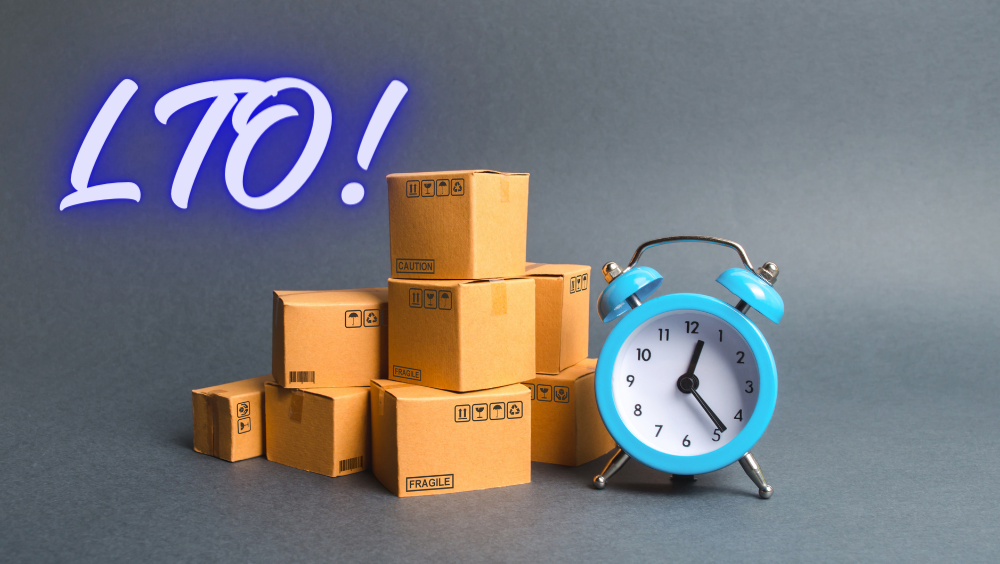
In the past, limited-time offers would typically be a year-end event, but these days, restaurant operators tend to run deals on a more regular basis. How do they go about it? What should operators consider beforehand? QUASEP will help you run deals that benefit both you and your customers.
Limited-time offers can come in the form of rewards, discounts or free products, offered over a specific period of time. One advantage is that they create a sense of urgency, bringing more customers into your business. In the restaurant industry, this means offering brand-new or seasonal dishes for a set amount of time.
Though often associated with major chains, limited-time offers can be a source of inspiration and a valuable tool for independent businesses. Since many of you are already reducing portion sizes to cut costs, try renewing the customer experience with temporary menu items.
In the past, these deals would typically be advertised in person at your restaurant. Today, you can easily promote them through your website, social media or affiliated delivery platforms. Online advertising offers the advantage of disseminating information faster and to a wider audience. This is a chance for independent restaurants to engage their regular customers directly.
Another way to run a limited-time offer is to work with a local partner, such as a sporting event, party or community organization.
Inventory management is key
Before running a limited-time offer, it’s important to check market conditions using inexpensive products. This will allow you to sell them at a similar or slightly higher price compared to your regular menu items.
Start by looking at your inventory, which plays a key role in pricing. Inventory turnover and management will help you prepare your deal and determine the right price. Since suppliers typically send their prices using digital technology, you have all the tools you need to make these calculations.
Your limited-time offer should also reflect your brand. For example, if you’re a steakhouse, you just need to come up with a dish that features an original sauce on a cut of meat that’s currently affordable on the market.
Limited-time offers are also great way to test a new menu item and minimize your losses if the product ends up performing poorly. If it proves successful, you may choose to repeat the experiment or even add the item to your regular menu.
Highlight: Start by checking your inventory to help you set the right price for your limited-time offer.
.png)
Is Breakfast the New Trend?
/wps/portal/eCPS/root/public/Resources/Resources/!ut/p/z0/04_Sj9CPykssy0xPLMnMz0vMAfIjo8zizR0dXT0cDQx93f0cXQ0CjV3C3F08wwwM3Mz0C7IdFQFCINbA/Posted Date: Oct 17, 2023
Effective Date: Oct 13, 2023
Often considered more affordable than other restaurant meals, breakfast is becoming more and more popular. What strategies should your business use to take advantage of this trend? QUASEP is here to help.
The numbers speak for themselves. In Restaurants Canada’s latest REACT survey, 62% of respondents said they bought breakfast outside the home in July 2023. This is the highest percentage the association has seen since it began collecting data in March 2022. In the survey, 17% of respondents ordered their first meal of the day at least once a week during that same month.
Just look at how popular breakfast and brunch chains have become. Fast-food restaurants across the country are now selling breakfast all day … and even all night!
Whether you’re the franchisee of a small chain or a hotel owner, this trend is a great opportunity not only to fill seats but to bring in extra revenue.
Breakfast and brunch are very popular with a wide range of customers, from early birds to midday risers. The latter tend to order more drinks with their first meal than they do with others—a fact that can prove quite profitable for your business. Try offering liquor-based cocktails, or focus instead on coffee and fruity, vitamin-packed drinks.
Finding the right price
With people already lining up outside brunch restaurants, operators can create even more of a buzz by offering specials on the first meal of the day. It may be tempting to lower prices to draw in more customers, but keep in mind that the cost of raw ingredients has risen. It’s best to assess your margins before setting prices too low, so you don’t end up absorbing these costs. You might instead want to put a menu item on special on a specific day of the week or for a limited time.
You can also incorporate healthy food into your marketing strategy. Many customers still consider the first meal of the day to be the most important. By offering fresh, quality ingredients, you’ll attract the more health-conscious clientele.
Another trick is to offer handheld meals. This is for busy customers looking to eat on the go—sandwich in one hand, coffee in the other. For some customers, however, table service is a must. If you target your market well, breakfast can be a real gold mine!
Highlight: With the right prices, breakfast or brunch is a great way to fill your restaurant and increase your revenue.

Optimize Your Marketing Strategy With Customer Data
/wps/portal/eCPS/root/public/Resources/Resources/!ut/p/z0/04_Sj9CPykssy0xPLMnMz0vMAfIjo8zizR0dXT0cDQx93f0cXQ0CjV3C3F08wwwM3Mz0C7IdFQFCINbA/Posted Date: Sep 29, 2023
Effective Date: Sep 29, 2023
It may take time to understand the information you collect, but analyzing customer data can help you refine your brand message, improve services and sales, and enhance the overall customer experience. You’ll also build brand awareness and stronger, more lasting relationships with your clientele. QUASEP is here to help you do just that.
Your data may show, for example, that a customer orders a burger every Friday at lunchtime. This lets you know what they like to eat, when they like to eat it and therefore when they’re likely to repeat the purchase. Using the email address they provided during a previous visit, reach out to them at 11 a.m. to tempt them, or let them know when their favourite dish is on special, which will bring them in even if they weren’t planning to come.
When analyzing your overall customer data, if you find that the burger is your most popular menu item, maximize sales by promoting add-ons such as sides and drinks. If a product is very popular as a dine-in option, but not for takeout, offer it for free through your delivery platform. And if you want to promote other dishes, online customer reviews are a great resource.
At the end of each meal, send your customer a message to find out whether they enjoyed their experience, and invite them to answer a few more questions. If the feedback is positive, have them share it on your Google page and/or social media in a single click. For negative reviews, the manager can call the customer to find out what the problem was and perhaps offer them an incentive to give your restaurant another try.
Connect with customers
Use social media platforms to target different demographics and reach new customers. Younger users tend to be on TikTok and Instagram, while older generations spend more time on Facebook. As with newsletters, this is a great way to announce any changes that will affect your customers, such as seasonal menus, holiday hours or a new restaurant opening.
Doing this will bring you closer to your customers and make them feel part of a community. Using your loyalty program data, show your appreciation and build lasting relationships by hosting events such as exclusive tastings and thank-you dinners for returning customers.
Monitor order frequency, and when there’s a gap more than double the usual time period, have an automated email sent with the subject line: “We miss you.” Track order value and offer free delivery above a certain amount spent in your restaurant.
Collecting data allows you to tailor your messages to your customers’ expectations and behaviours. This will help build a sense of trust and loyalty with customers, while inspiring them to learn more about your restaurant.
Highlight: Collecting data allows you to create tailored messages, building a sense of trust and loyalty with customers, while inspiring them to learn more about your restaurant.
.png)
How to Collect Useful Customer Data for Marketing
/wps/portal/eCPS/root/public/Resources/Resources/!ut/p/z0/04_Sj9CPykssy0xPLMnMz0vMAfIjo8zizR0dXT0cDQx93f0cXQ0CjV3C3F08wwwM3Mz0C7IdFQFCINbA/Posted Date: Sep 25, 2023
Effective Date: Sep 25, 2023
Collecting customer data is central to most marketing strategies. A number of methods exist, both direct and indirect, for understanding customer behaviour and preferences. QUASEP will help you decide where, what and how to collect.
Whether it’s an online reservation or a walk-in, have your customers share information such as their first and last name, email and postal code. When seating them, your server can ask how they heard about your restaurant and what brings them in that day. Or you can prompt customers on their phones as they scan the QR code for the menu.
You’ll want to collect as much information as possible during the first exchange, but if you have your customer’s email address, you can contact them to complete their profile later. In return for this additional information, try offering goods or services—a promo code in exchange for their date of birth, or the Wi-Fi password for their food allergies and intolerances.
Identity data can even include your customer’s family status, i.e. whether they’re in a relationship or have children, or socioeconomic information such as their income bracket, industry or even their job title.
Collecting information indirectly
Use your loyalty program and online ordering platform to instantly create detailed user profiles. This will give you access to purchase history, showing you how your customers are ordering (on-site, take-out or delivery), as well as when and how often. Your social media platforms and email marketing program are other great ways of collecting engagement analytics such as website traffic, newsletter open rates and conversion rates. Try analyzing each of your online platforms for device-specific engagement metrics.
Third-party delivery apps can provide you with behavioural data such as average order value or the use of delivery promotions. Behaviour analytics tools, for example Google Analytics, can tell you exactly what your customers are doing when they visit your site.
There’s also attitudinal data, which has to do with how customers feel about your restaurant. Usually collected via surveys, online reviews and complaints, these insights focus on a particular menu item’s performance, reactions to pricing or comments about a seasonal dish.
Collecting data allows you to create customer profiles, which will give you a clearer idea of who’s coming to your business, how they’re consuming and why. This means you’ll be more in touch with them, respond better to their expectations and, in so doing, attract more customers and earn their appreciation.
Highlight: Collecting data allows you to create customer profiles, which means you’ll be more in touch with them, respond better to their expectations and, in so doing, attract more customers and earn their appreciation.



.png "Tipping: Transparency is Key")




.png "Is Breakfast the New Trend?")

.png "How to Collect Useful Customer Data for Marketing")